
The Writer and the Literary World
The FriendThis flow traces the book’s criticism of literary prestige, competition, audience expectations, and the declining cultural status of fiction.
increasing Bearing strength in each event
 decreasing
Bearing strength in each eventdecreasingA Sinking Raft
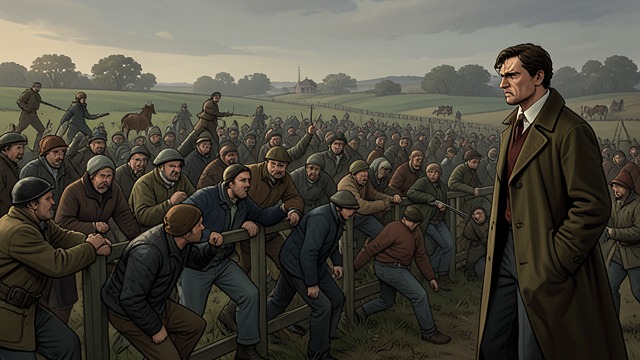
A Sinking Raft
Competition in a small field
The Narrator recalls an author comparing literary life to a sinking raft crowded with people trying to climb aboard. Success appears to invite envy and efforts to push the successful person down.
Empathy and authorship
The Narrator wonders whether reading increases empathy while writing diminishes it. The question captures a literary culture in which competition can make writers suspicious of one another.
A Vocation of Unhappiness
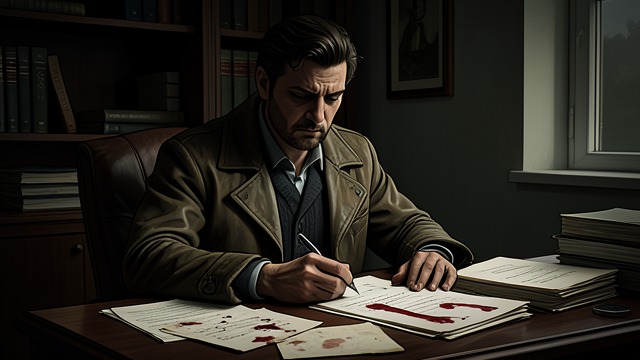
A Vocation of Unhappiness
Work as a difficult calling
The Deceased Friend tells a conference audience that writing is not a wonderful profession. He invokes writers who describe it as loneliness, frustration, humiliation, and persistent failure.
Success does not disprove pain
Examples of prolific and commercially successful writers do not make the work happy. The book questions the fantasy that publication or prestige can compensate for writing’s demands.
The Reader Who Misreads
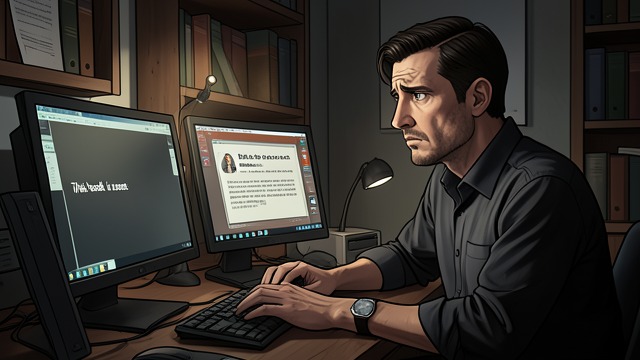
The Reader Who Misreads
Responses become visible
The Deceased Friend describes discovering online readers who praise or condemn him for ideas he never intended. He finds it difficult to accept interpretations that reverse his meaning.
A changed relationship
He once imagined an intelligent, curious reader who loved books. The internet makes actual readers immediate, turning a longstanding problem of interpretation into a constant personal confrontation.
The Three Thousand Readers
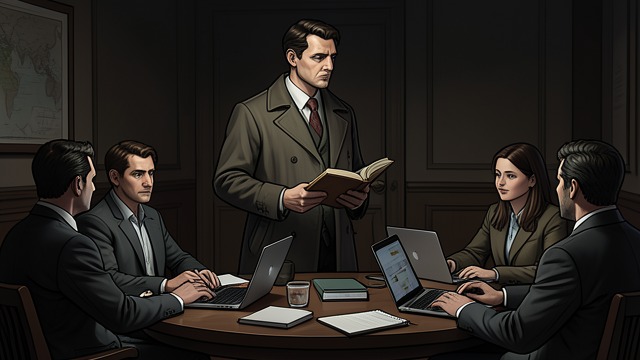
The Three Thousand Readers
A smaller imagined audience
As frustration grows, the Deceased Friend agrees with the suggestion that a truly good book might find only a few thousand readers. He no longer assumes that a large audience is a meaningful measure of literary success.
A crisis of purpose
He complains that readers treat books like consumer products and judge them by personal preference. His refusal to care about readership marks a deepening break with the culture surrounding publication.
A World Without Fiction
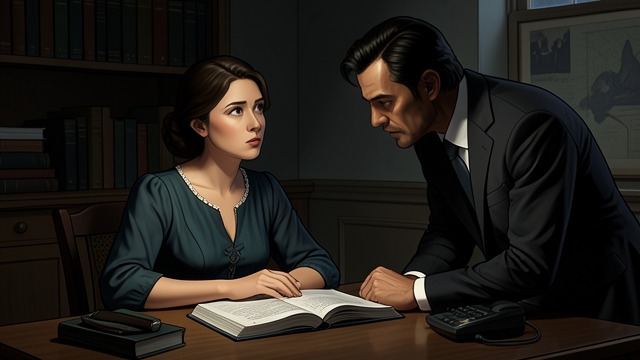
A World Without Fiction
A thought experiment
The psychologist friend recalls hearing that if no fiction appeared for a year, the world might scarcely change. The thought helped her question whether her unwritten novel would be missed.
A divided legacy
The Narrator understands the friend’s decision to leave a literary career, while fearing the loss of fiction’s imaginative power. The book leaves open what literature can do when its cultural authority is weak.
At a literary gathering early in the book
During the Deceased Friend’s teaching years
In the Deceased Friend’s final interview
Near the end of the final interview
During the psychologist friend’s account of her decision
